
If you’re buying or selling a home, chances are you’ve come across the term “earnest money.” But what is it, why does it matter, and what should you know about it? Let’s break it down in a way that makes sense and ensures you’re prepared to make informed decisions.
What Is Earnest Money?
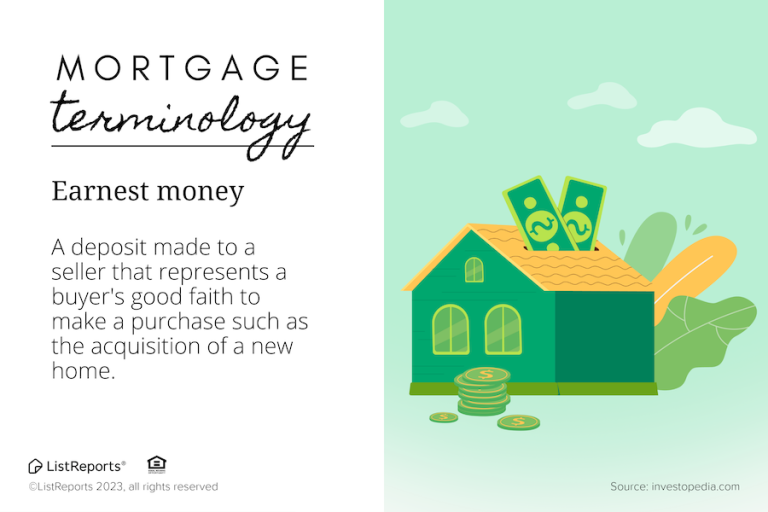
Earnest money is a deposit a buyer makes to show they’re serious about purchasing a home. Think of it as a good-faith gesture to reassure the seller that you’re committed to the transaction. This deposit is typically made within two business days after an offer is accepted and is held in the seller’s broker’s trust account until the sale is finalized.
For buyers, it signals to the seller that you’re not just testing the waters. For sellers, it provides some assurance that the buyer has skin in the game.
How Much is a Typical Amount?
In Minnesota, earnest money usually ranges between 1% and 3% of the home’s purchase price. For example:
- On a $300,000 home, you might put down between $3,000 and $9,000 as earnest money.
The exact amount can depend on factors like market conditions, the competitiveness of your offer, and any agreements made between the buyer and seller.
What Happens to My Earnest Money?
Once the sale goes through, your earnest money doesn’t disappear. Typically, it’s applied toward your down payment or closing costs. However, if the sale falls apart for certain reasons, the earnest money might either be refunded to you or forfeited to the seller, depending on the circumstances.
Can You Lose An Earnest Money Deposit?
While earnest money shows your commitment, there are scenarios where you could lose it. Here are the most common reasons:
- Backing Out Without a Valid Reason
- If you decide to walk away from the deal without a reason covered by the contract, the seller has the right to keep your earnest money as compensation for the time and opportunity they may have lost waiting for the deal to close.
- Missing Contingency Deadlines
- Contingencies are conditions that must be met for the sale to proceed, for example: attaining financing approval.
- Waiving Contingencies
- In competitive markets, buyers sometimes waive contingencies to make their offer more attractive. This means you forfeit the ability to back out without penalty if those contingencies aren’t met, putting your earnest money at risk.
How to Protect Your Commitment
Losing earnest money can be a frustrating experience, but you can take steps to minimize your risk:
- Understand Your Contract
Read the purchase agreement thoroughly and ensure you understand all the terms, especially those related to contingencies and deadlines. - Work with a Knowledgeable Agent
Our experienced Realtors are familiar with the Twin Cities housing market and can guide you through the process, ensuring you stay on track with deadlines and requirements. - Include Contingencies
While waiving contingencies can make your offer more appealing, it also increases your financial risk. Protect yourself by including contingencies for financing, inspections, and other key factors. - Stay on Top of Deadlines
Our team will help guide you or help with a reminder system to ensure you meet all deadlines outlined in your purchase agreement. - Communicate Clearly
If you encounter issues, communicate with your agent as soon as possible. Clear communication can help you negotiate solutions and avoid losing your deposit.
In Conclusion
Earnest money plays a key role in ensuring trust and commitment between buyers and sellers. Think of it as a safeguard for both parties. However, losing your earnest money is a real possibility if you don’t adhere to the terms of your contract or meet contingency deadlines. By working with a knowledgeable Carriage Realty agent, we can ensure you understand your agreement terms and applicable contingencies, thereby minimizing your risks and making the home-buying process smoother.
When handled correctly, earnest money isn’t just a deposit—it’s a step toward securing the home of your dreams. For a more detailed explanation of earnest money, please read on from our friends at Investopedia.